Description

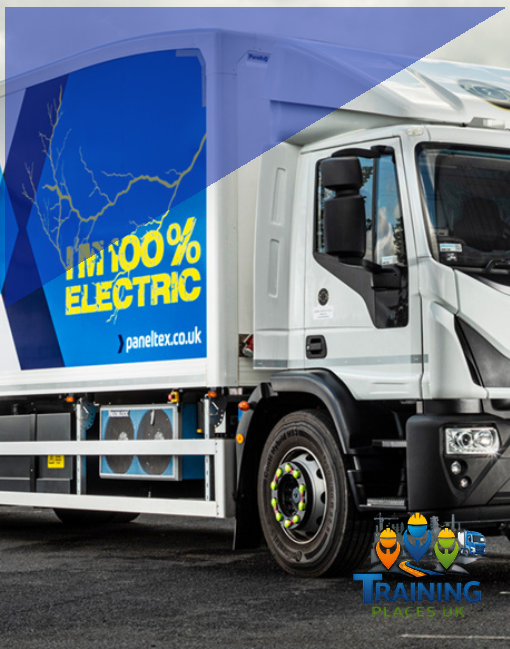
Electric Class 2 vehicle training prepares drivers to safely and confidently operate modern rigid electric HGVs. This specialised training covers everything from vehicle handling and regenerative braking to battery management and charging procedures. With the transport industry moving toward greener technology, gaining electric Class 2 experience helps drivers stay ahead of industry changes while meeting the growing demand for sustainable logistics. Our training focuses on building real-world skills that translate directly into professional driving roles with electric fleets.

Specifications

  • Vehicle Category: Rigid HGV over 7,500kg gross vehicle weight (GVW)

  • Powertrain: Fully electric motors with regenerative braking systems

  • Battery & Charging: High-capacity battery packs requiring appropriate charging procedures, charging infrastructure awareness, and energy management

  • Driving Dynamics: Smooth torque delivery, altered braking response due to regeneration, and reduced noise/vibration compared to diesel counterparts

  • Range Considerations: Operational planning based on route distance, charging availability, load weight, and energy consumption

  • Safety Requirements: Understanding high-voltage systems, emergency shutdown procedures, and safe handling of electric components

  • Licence & Competency: Requires a standard Category C (Class 2) entitlement, plus relevant training for electric HGV operation and regulations

  • Environmental Benefits: Zero tailpipe emissions and reduced carbon footprint, supporting low-emission and sustainability targets

Requirements

  • Full Category C (Class 2) licence is required to operate the vehicle legally, If you are coming from a car licence, we can help you pass your test in an EV Class 2 vehicle!

  • Minimum age of 18 (or higher depending on employer and CPC regulations)

  • Valid Driver CPC qualification if driving professionally for hire or reward

  • Completed medical examination confirming fitness to drive an HGV

  • Knowledge of electric vehicle systems, including charging, fault awareness, and battery safety (usually provided through specialist training)

  • Ability to plan routes based on charging availability and vehicle range

  • Understanding of high-voltage safety protocols and emergency procedures