
Description
Course Overview
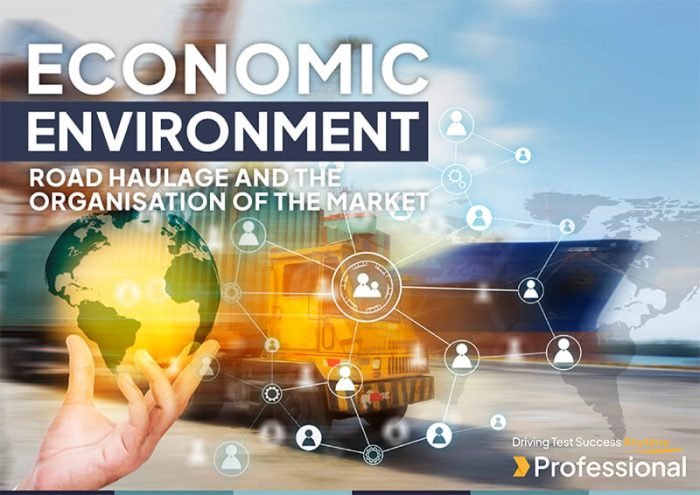
Understanding how goods move through the freight transport network is essential for anyone working within the transport and logistics industry. This course provides an introduction to the freight transport market, exploring how goods are transported across the UK and around the world using a range of transport modes and infrastructure.
Learners will gain an understanding of both domestic and international freight operations, the key routes used to move goods, and the important role played by ports, airports, rail networks, roads, and border crossings in supporting supply chains.
What You’ll Learn
- Introduction to the Freight Transport Market
Explore the structure of the freight transport industry and understand its importance to the UK economy and global trade. - Domestic Freight Transport
Learn how goods are moved within the United Kingdom, from origin to final destination, through integrated transport and logistics networks. - International Freight Transport
Gain an understanding of how goods are imported and exported, and the processes involved when freight crosses international borders. - Key Transport Modes
Discover the role of road, rail, sea, and air freight, and how each mode contributes to efficient supply chain operations. - Ports, Airports & The Channel Tunnel
Understand the importance of major transport gateways and how they facilitate the movement of goods between the UK and international markets. - Northern Ireland & Cross-Border Freight
Explore the unique freight movements involving Northern Ireland and the land border with the Republic of Ireland. - Supply Chains & Logistics Operations
Develop an appreciation of how freight transport supports businesses, consumers, and international trade through effective logistics management. - Industry Challenges & Best Practice
Learn about the factors that influence freight movements, including compliance, efficiency, customer requirements, and operational planning.
Who Is This Course For?
This course is ideal for drivers, warehouse operatives, transport administrators, logistics professionals, supply chain personnel, and anyone seeking a better understanding of how domestic and international freight transport operates within the modern logistics industry.