1. Core Philosophy & Goals
Safety First: The paramount goal is to prevent injury to the operator, ground personnel, and damage to property or the environment.
Competence & Skill: Developing proficient, confident operators who can perform tasks efficiently.
Productivity & Cost Control: Training operators to work in a way that maximizes output while minimizing fuel consumption, wear and tear, and rework.
Regulatory Compliance: Ensuring operators and companies meet OSHA (Occupational Safety and Health Administration), MSHA (Mine Safety and Health Administration), or other relevant regulatory standards
2. Key Training Components (The Curriculum)
A robust training program is a mix of theoretical knowledge and hands-on practice.
A. Classroom / Theoretical Training
Principles of Operation: Understanding how the machine works (hydraulics, power systems, stability).
Pre-Operational Inspections: Systematic checks (walk-around, fluid levels, tires/tracks, controls) using checklists.
Safety Protocols: Site hazards, blind spots, stability/tipping, power line awareness, pedestrian safety, lockout/tagout (LOTO).
Load Charts & Manuals: How to read and interpret critical manufacturer data (for cranes, lifts, etc.).
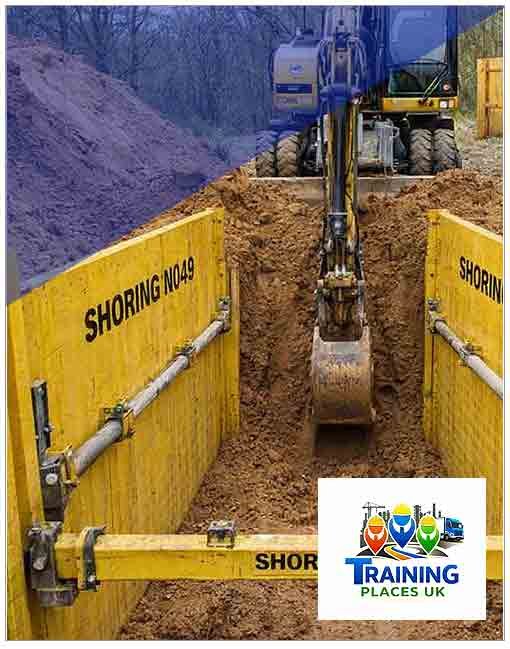
Site-Specific Hazards: Understanding trenches, uneven ground, confined spaces, weather conditions.
Regulations & Standards: Overview of applicable OSHA rules.v
B. Hands-On / Practical Training
Basic Machine Control: Starting, stopping, steering, practicing in a clear area.
Advanced Maneuvering: Precision control, working on slopes, navigating obstacles.
Application-Specific Tasks:
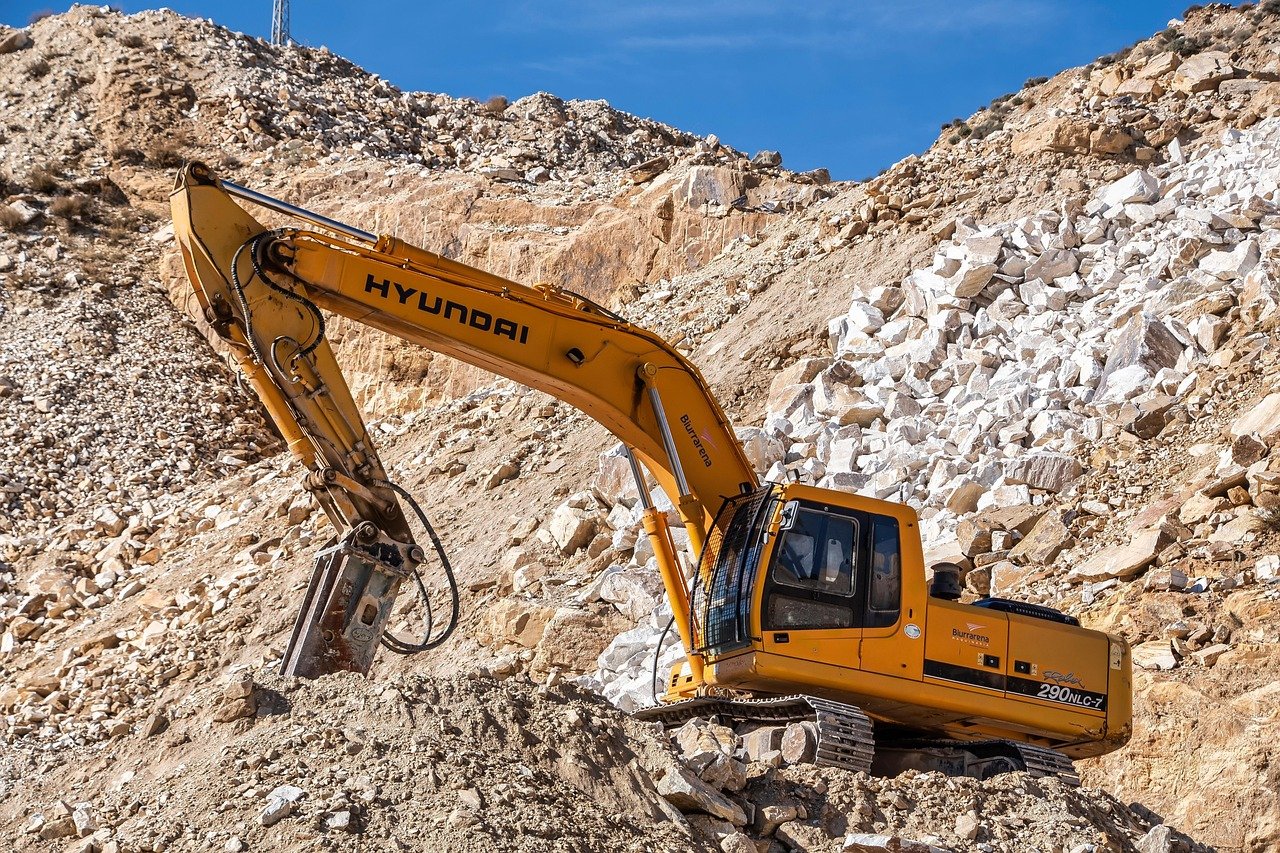
Excavator: Digging trenches, grading, loading trucks, placing pipe.
Forklift: Load handling, stacking, working in aisles, using ramps.
Crane: Rigging, signaling, making picks, working with a spotter.
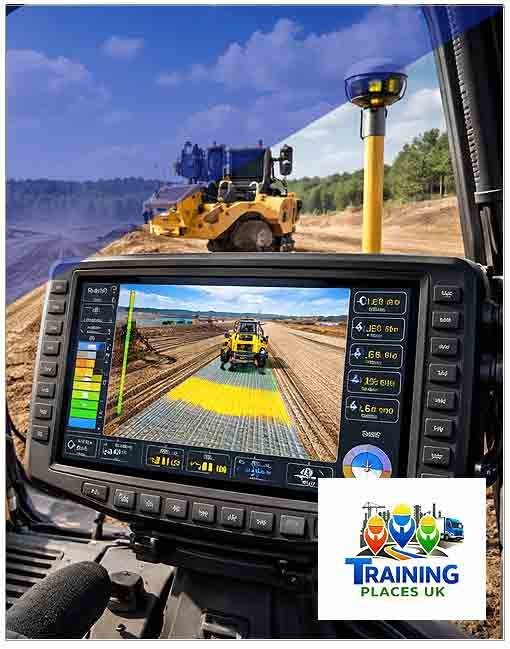
Bulldozer/Grader: Cutting, filling, grading to specification.
Emergency Procedures: Response to fire, tip-over, mechanical failure.
C. Evaluation & Certification
Written Test: Assesses knowledge of theory, safety, and regulations.
Practical Evaluation: An instructor assesses the operator’s ability to perform a set of standard tasks safely and efficiently.
Documentation: Successful trainees receive a Certificate of Completion or Operator Card. This is often required on job sites. Note: This is usually employer certification, not a government license.
3. Types of Machinery (Common Examples)
Earthmoving: Excavator, Bulldozer, Backhoe Loader, Motor Grader, Skid Steer Loader, Wheel Loader.
Lifting: Mobile Cranes, Tower Cranes, Rough-Terrain Cranes, Forklifts, Telehandlers, Aerial Work Platforms (Boom Lifts, Scissor Lifts).
Industrial: Forklifts (many classes), Overhead Cranes, Industrial Trucks.
Paving & Compaction: Asphalt Paver, Vibratory Roller, Compactor.